
THE COMPUTE WAR
A fictional story about AI, sovereignty, compute, and the people caught between them.
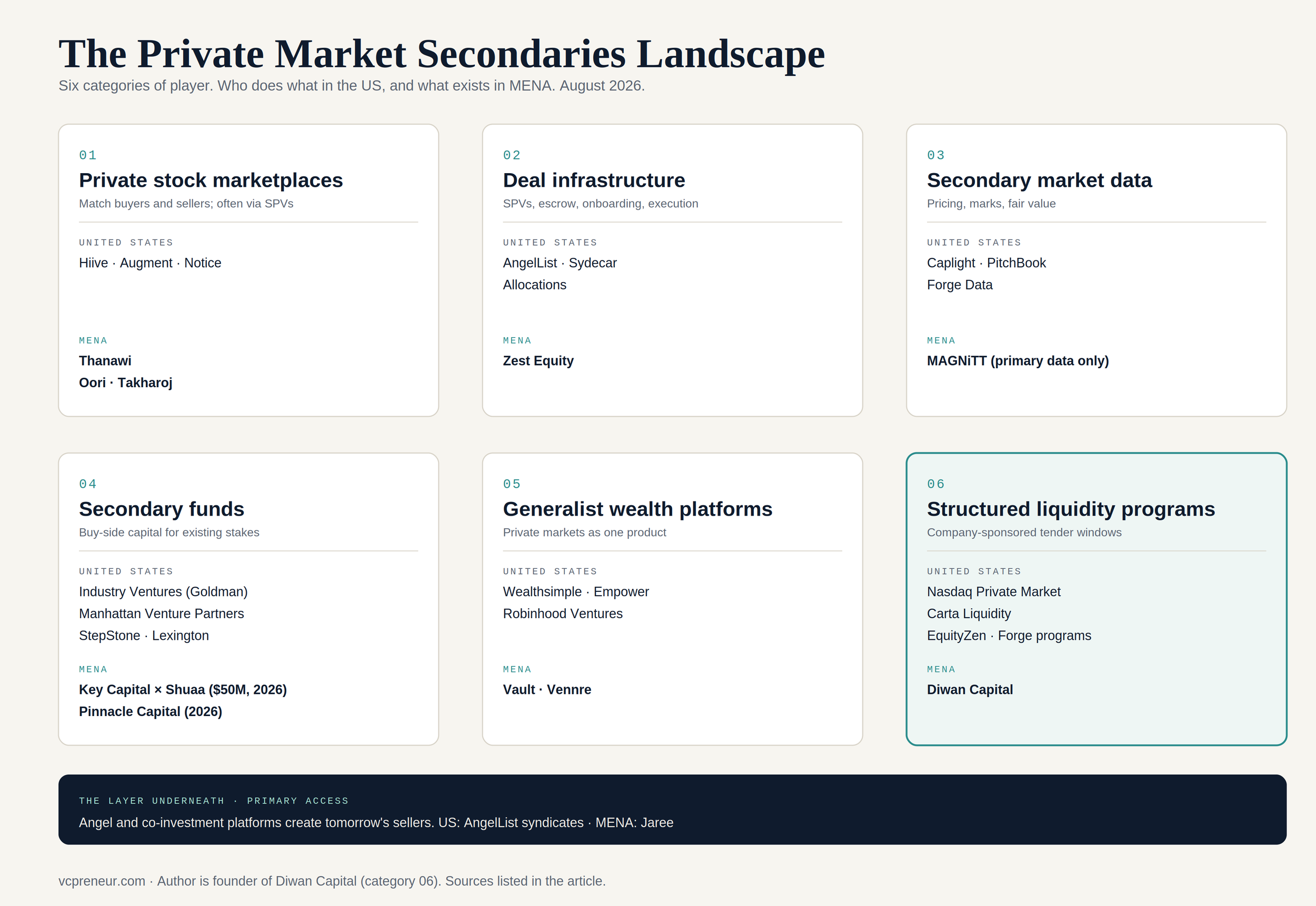
The Private Market Secondaries Landscape (Market Map): Who Does What in the US, and What Exists in Emerging Markets
A detailed market map with company names of who is doing what in venture secondaries in the US and MENA.
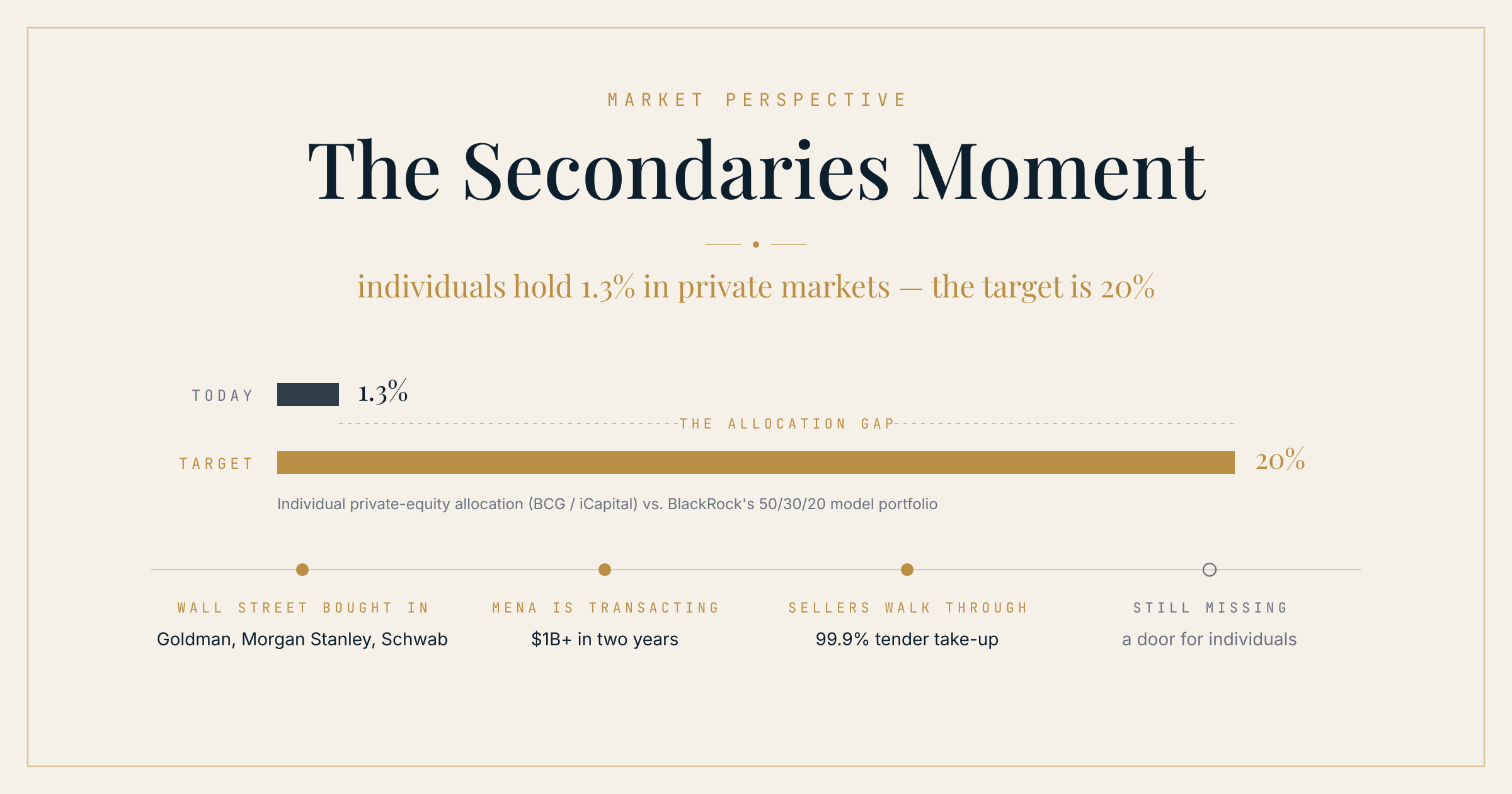
The Secondaries Moment
Individual investors hold about 1.3% of their wealth in private equity. The world's largest asset manager now says 20%. Here's what is closing that gap — and why the region is where it lands next.
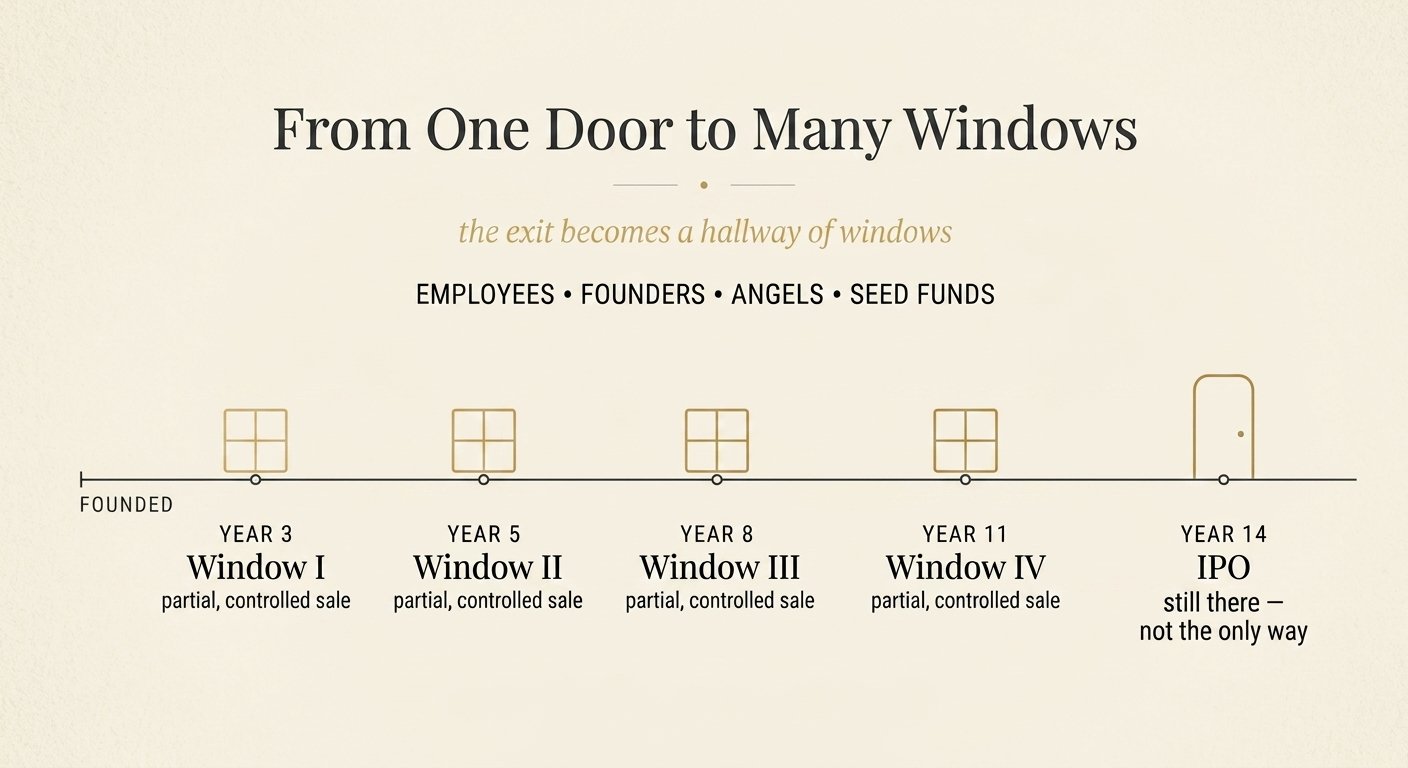
The Exit Isn't a Door Anymore. It's a Hallway of Windows.
Startups now stay private for over a decade, stretching the traditional wait for an IPO payday. To relieve this pressure, companies are unbundling the exit—replacing the "single door" model with a "hallway of windows" where early employees and investors get structured, partial liquidity through controlled tender offers long before listing.
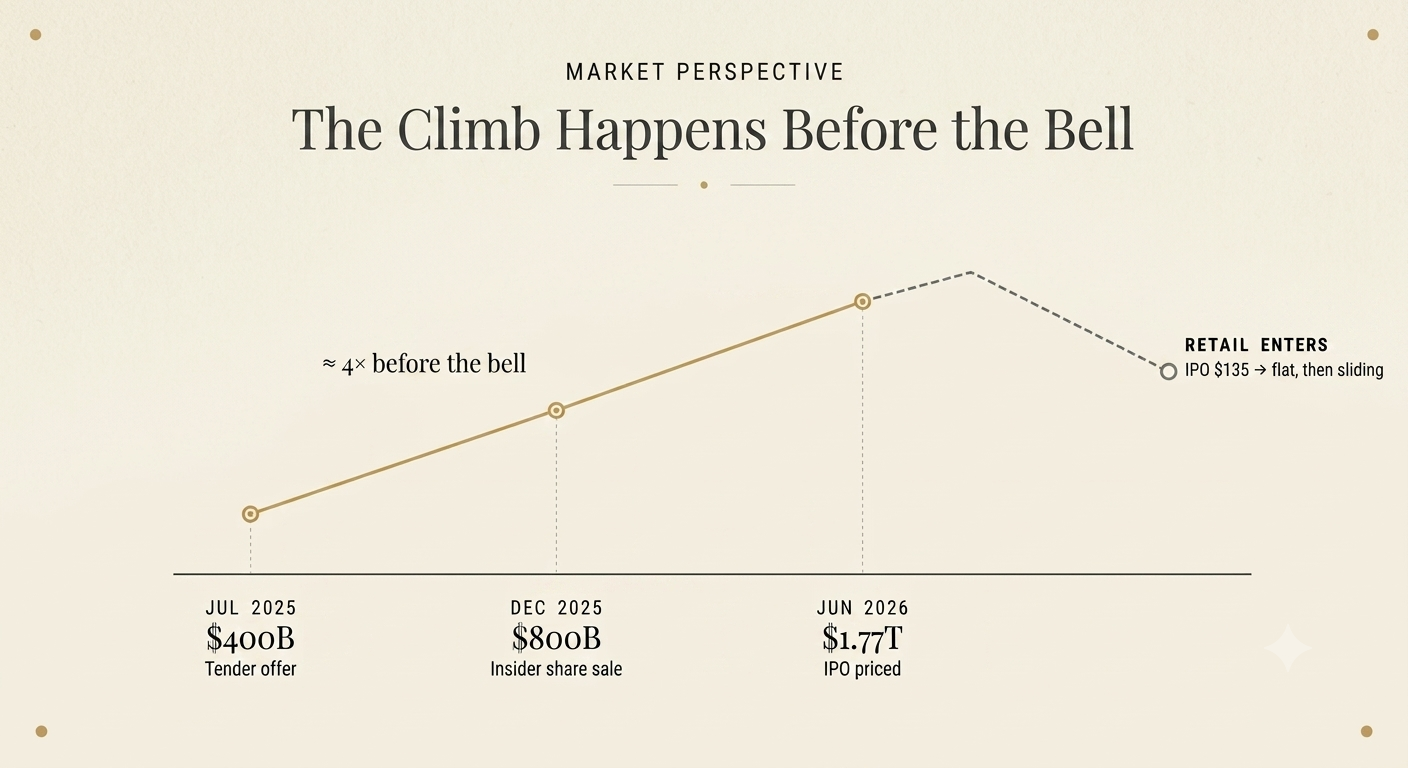
Retail Finally Got SpaceX. The Asymmetric Returns Were Already Gone.
SpaceX’s multi-trillion-dollar IPO gave retail investors a seat at the table, but only after the massive, asymmetric returns had already been harvested by private insiders. In modern venture, an IPO is often just price confirmation; the real investment edge lies in securing curated, relationship-gated access to a company's private compounding phase.

Your Next Customer Is an Agent. Are You Legible to It?
Revora's raise says the quiet part out loud: the merchants who win the next decade are the ones an AI can find, trust, and buy from. That's a different kind of moat than the one we spent twenty years building. On designing catalogues, APIs, and content for machine buyers instead of human eyeballs — and why the MENA angle is sharper than it looks.
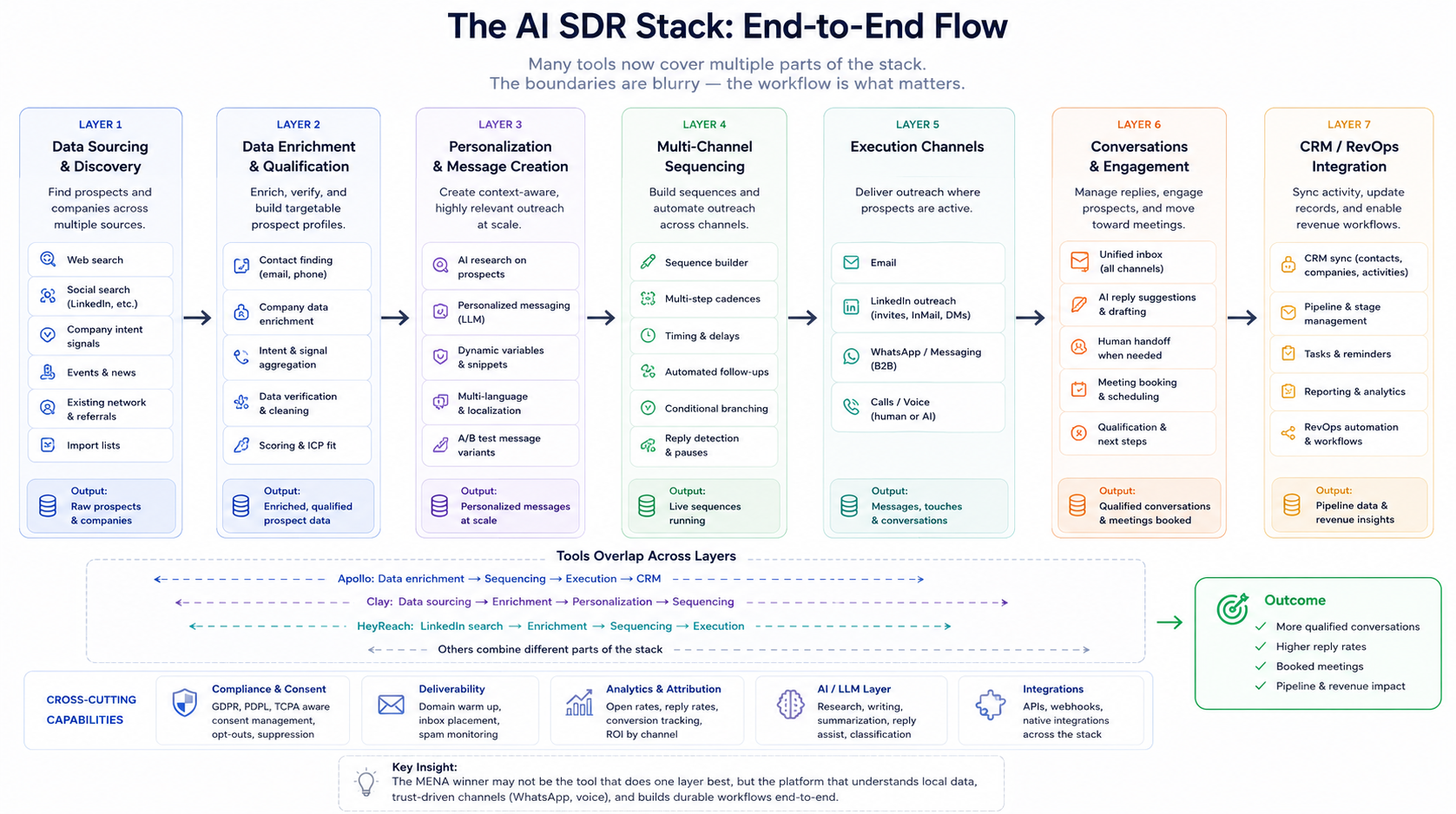
Deep Dive: Mapping the AI SDR Stack — Why the MENA Winner May Not Look Like the US Winner
A VC maps the AI SDR workflow from data sourcing to trusted conversations, and argues that the MENA winner may not look like the US winner. In a region where sales still runs through relationships, WhatsApp, calls, dialects, and data freshness may matter more than automated email volume.

When Policy Becomes Product-Market Fit
I used to dismiss policy-driven investment as artificial. Manufactured demand. Not real. I've changed my mind on that — mostly. Some markets genuinely can't be created by consumers alone, and a government contract isn't always a subsidy. But there's a version of this that goes wrong, and it goes wrong in a very specific way. This is my attempt to draw that line.

VC Firms Need to “Build” Better Products for LPs & Founders: The Fund Is No Longer Enough - Part 1/2
LPs no longer just need access to a fund; they need architecture. As private markets grow more complex, the future of venture capital requires GPs to stop just raising capital and start acting like product managers.
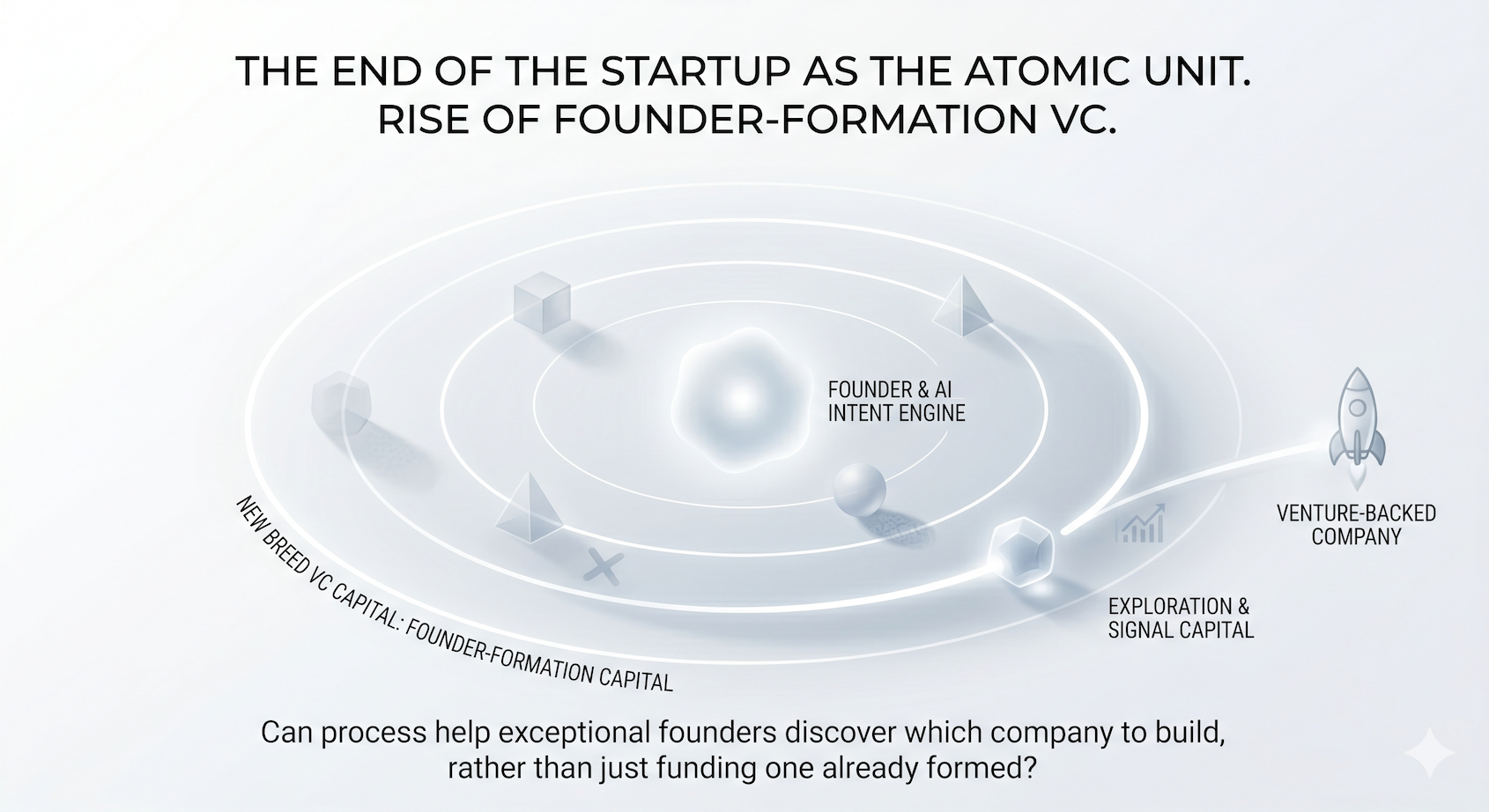
The End of the Startup as the Atomic Unit. The Rise of a New Breed of VCs
For decades, the startup was the atomic unit of venture capital. Maybe in the next era, that assumption starts to break. Maybe the founder, not the startup, becomes the new unit of company formation. And if that happens, a new breed of VC firms may emerge: firms that do not just fund companies after they are formed, but help exceptional founders discover which company deserves to be formed in the first place.
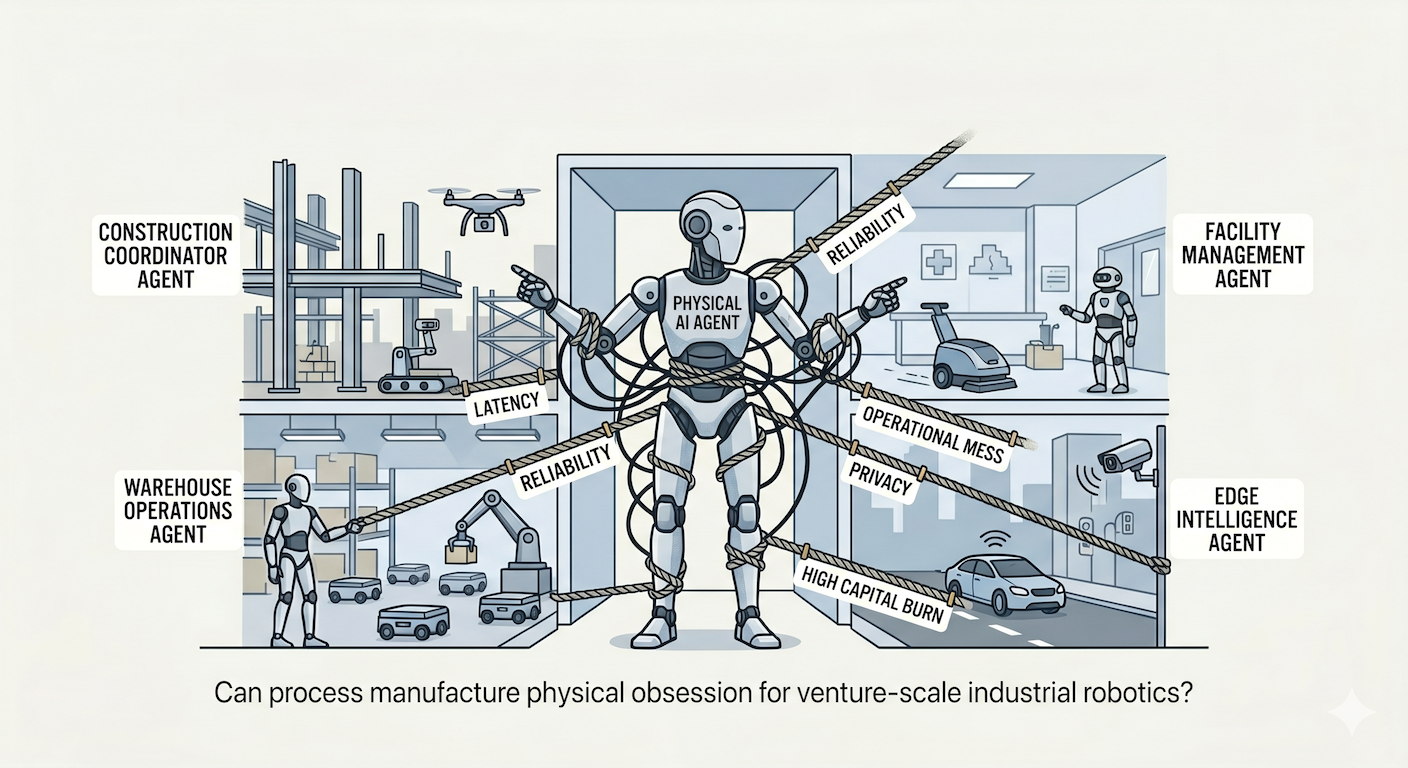
Agentic AI Beyond the Screen: From Software Agents to Physical Agents
I want to take you on a short journey. Not a journey about the AI hype, or the latest model release. This is a journey about a pattern. A pattern that has repeated itself across the history of computing and technology.
Every time technology became more abstract, more connected, and easier to use, it did not simply improve old software. It created entirely new kinds of companies, new markets, and even new human behaviors. And I think we may be standing at one of those moments again.
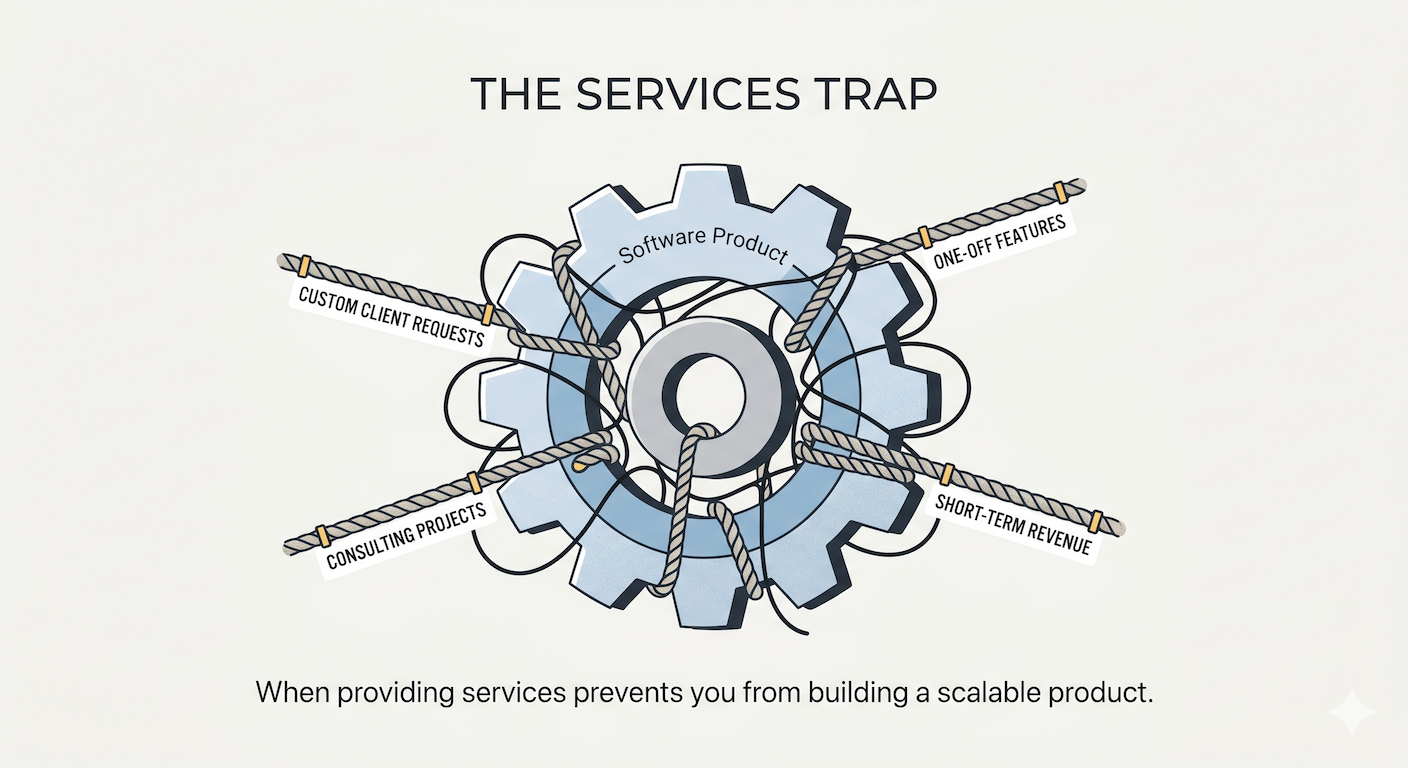
Trap Alert: “We’ll Start as a Service, Then Productize Later”
I’ve heard this pitch from founders many times. And honestly, on the surface, it sounds very reasonable. “We’ll start as a service business, work closely with a few paying clients, really understand the problem, refine the solution, and then turn that into a scalable software product.” In theory, it sounds smart. In practice, sometimes it works. But many times, founders get stuck somewhere in the middle, because the path from services to product is much harder than it sounds when you say it in one sentence.
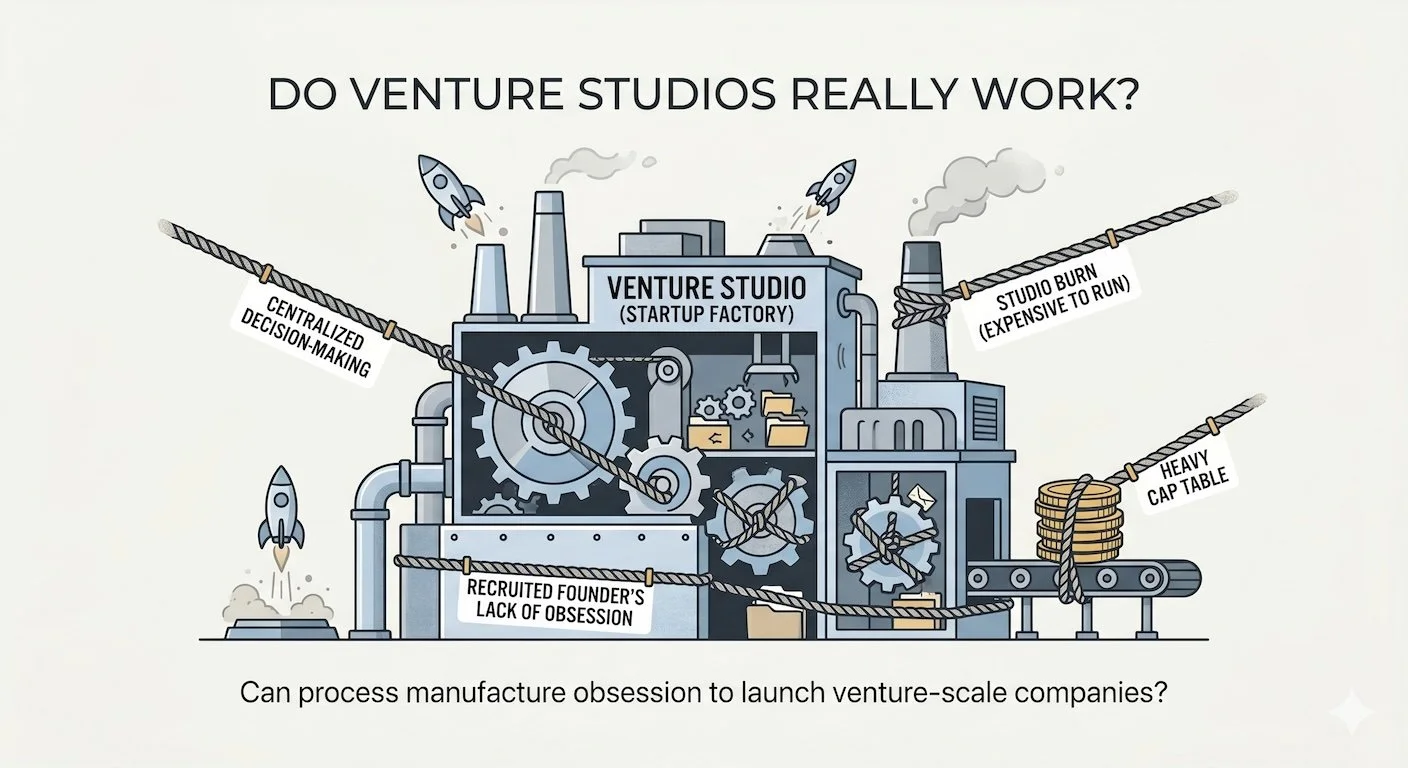
Venture Studios Sound Great. But Do They Really Work?
I like the idea of venture studios. In theory, they make a lot of sense.
It sounds smarter than traditional VC. More structured. More repeatable. Less random. And that is exactly why the model is attractive.
But I am still skeptical, especially when it comes to standalone venture studios. Not because the model can never work. It can. Some studios have produced strong companies. But I think many people underestimate how hard it is to build venture-scale startups this way.

Execute with Focus. Go Crazy on Vision
One thing I hear often from founders is this:
“VCs always say focus, focus, focus.”
And honestly, I get why that becomes frustrating. Because sometimes “focus” gets repeated so much that it starts to sound like: stay small, stay narrow, do less, dream less, don’t stretch too far, do’t think global!
But that’s not really what investors mean. At least it’s not what I mean.
To me, focus is mostly about execution. But vision? I actually think vision should be much bigger than that

SpaceTech + AI = The New Unbundling of Telecom
Telecom is not a mature industry. It is just in between disruptions.
The first wave moved communication from wires to mobile. The second moved it from carriers to software. The next may move it from towers to satellites, and in parallel, from passive interfaces to AI-native communication systems.
The old telecom giants connected people. The next generation may connect people, software, satellites, and AI agents all at once.
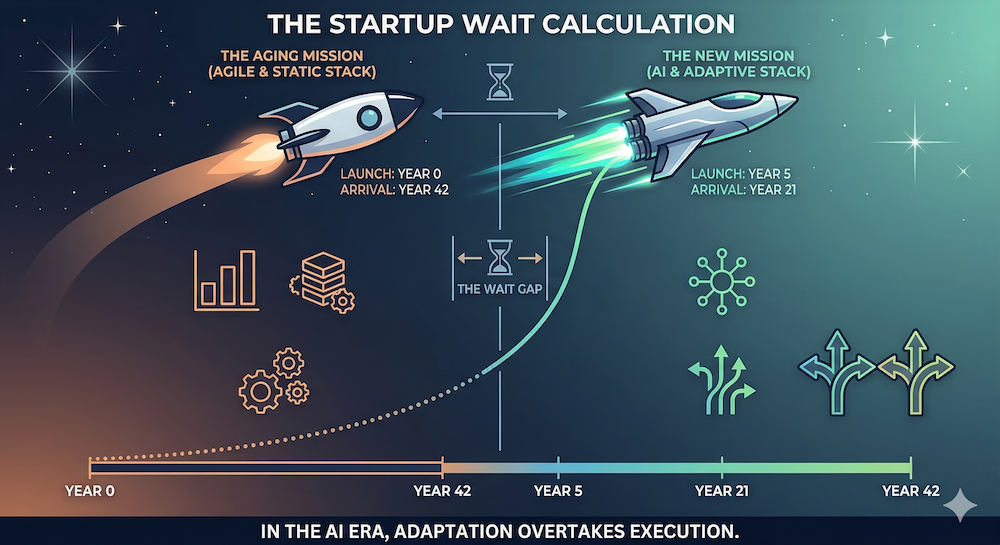
The Startup Wait Calculation
A space mission launched later can arrive earlier if technology improves fast enough. That is now happening in startups too: founders who start later can overtake early movers because better tools, better agents, and better ways of building let them move faster and arrive first.
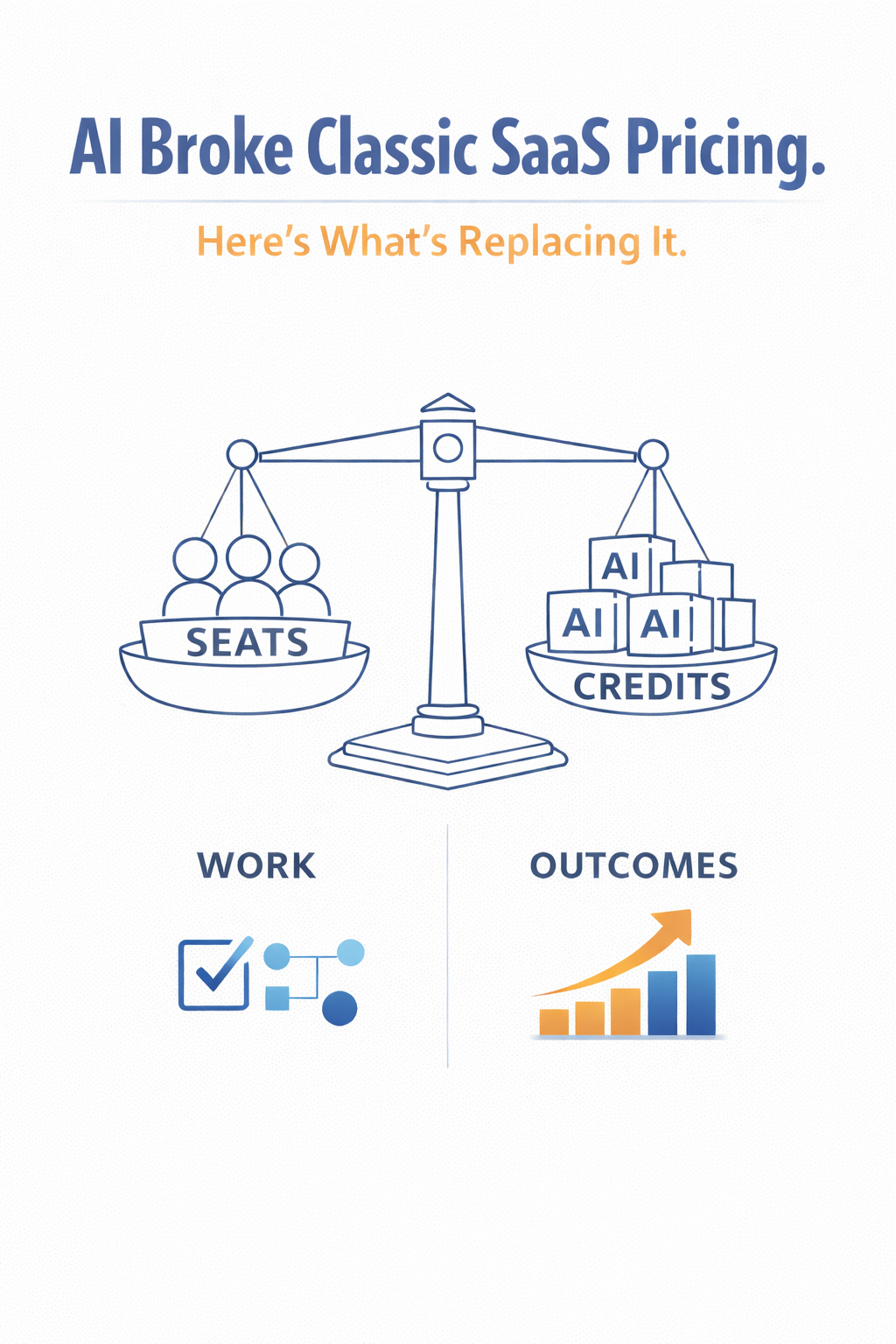
AI Broke Classic SaaS Pricing. Here’s What’s Replacing It.
SaaS is evolving fast. From the investor seat, one pattern keeps showing up: classic SaaS pricing breaks in AI. Founders are adapting with new business models, and we’re learning from those experiments in real time.
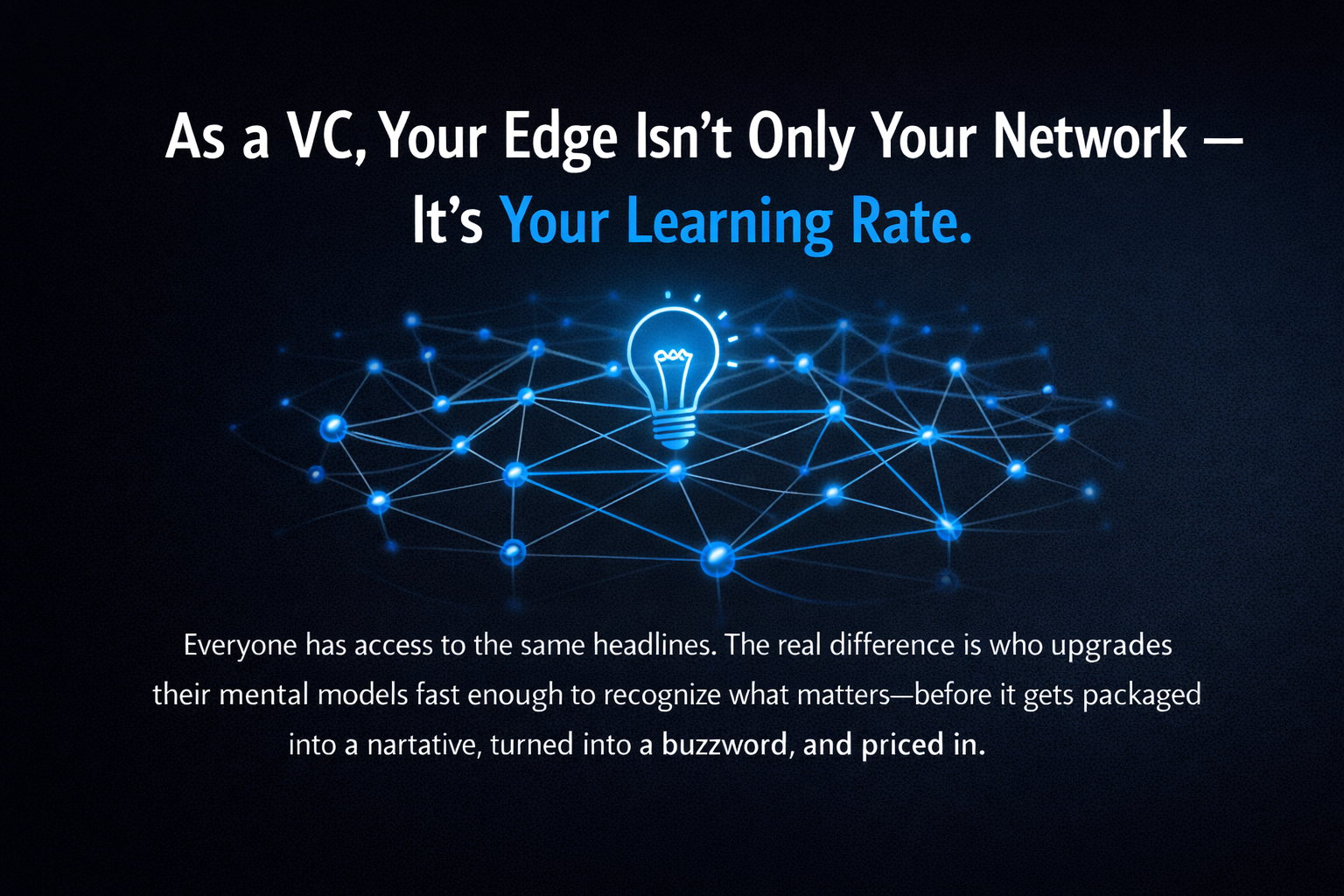
As a VC, Your Edge Isn’t Only Your Network! It’s Also Your Learning Rate
Everyone has access to the same headlines. The real difference is who upgrades their mental models fast enough to recognize what matters, before it gets packaged into a narrative, turned into a buzzword, and priced in.
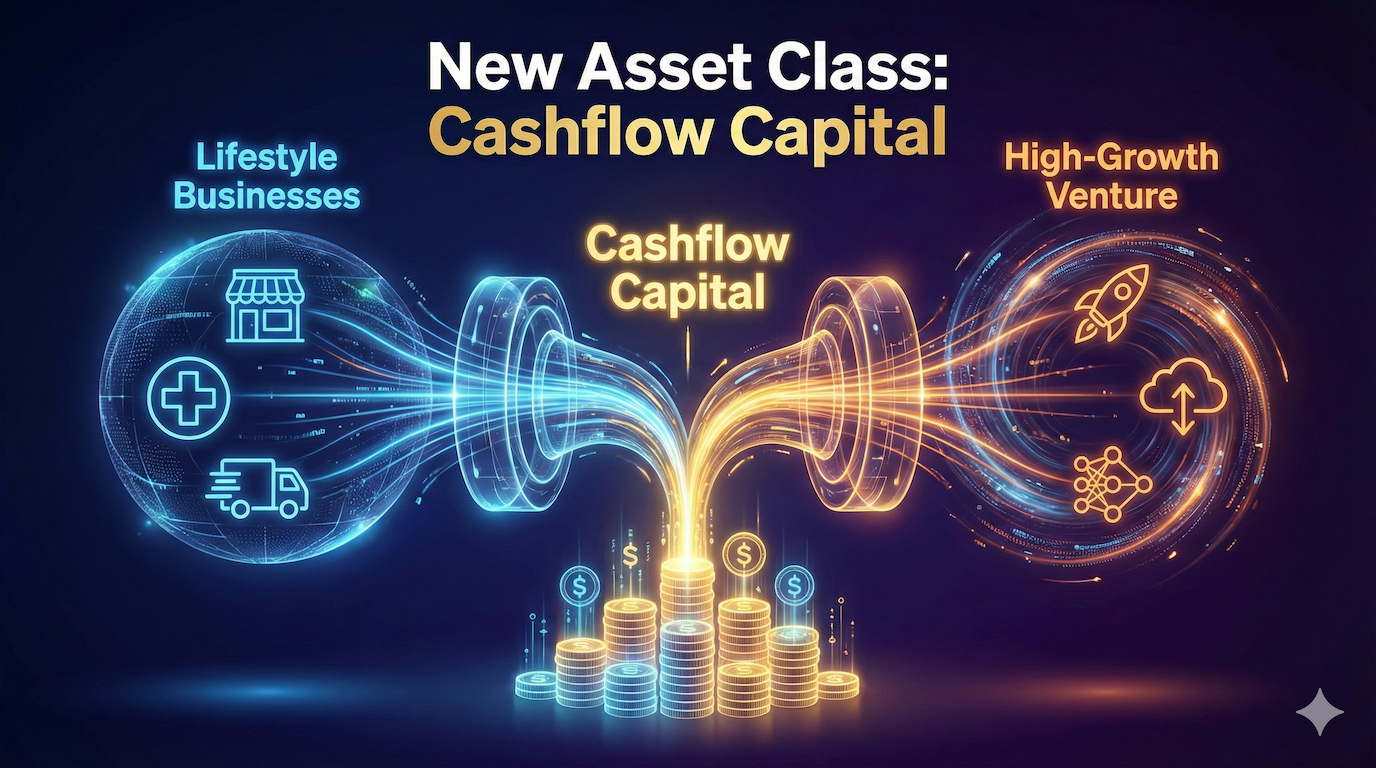
New Asset Class: Cashflow Capital
Venture capital trained us to see the startup world in two buckets: “lifestyle” versus “high growth.” That two-bucket model used to be helpful. Now it’s limiting. Not because VC is wrong, but because technology is changing the shape of what a “good company” looks like. The future isn’t only unicorns. It’s also upgraded “lifestyle” businesses that distribute cash, as AI makes software cheaper.

How Much Should You Actually Own In Portfolio Companies? A Practical Guide to VC Ownership
In venture capital, one phrase shows up in almost every partner meeting: “What’s our ownership?” For years, VCs have been trained to think that if you don’t own 10–20%, you’re not really in the deal. But is that always true? And in a world of larger rounds, competitive syndicates, secondaries, and multi-asset strategies… how much should a VC really care about ownership %?
VCpreneur Blog Archive
- September 2026 1
- August 2026 2
- July 2026 3
- June 2026 3
- May 2026 4
- April 2026 2
- March 2026 1
- January 2026 2
- December 2025 2
- November 2025 2
- September 2025 2
- July 2025 2
- May 2025 2
- March 2025 1
- December 2024 2
- November 2024 2
- October 2024 3
- September 2024 1
- August 2024 2
- February 2024 1
- September 2023 1
- November 2020 1
- December 2019 1
- October 2019 1
- September 2019 1
- July 2019 1
- March 2019 1
- February 2019 2
- December 2018 2
- September 2018 2
- May 2018 1
- April 2018 1
- January 2018 3
- August 2017 1
- April 2017 1
- February 2017 1
- July 2016 2
- May 2016 5
- April 2016 5
- March 2016 2
- January 2016 2
- December 2015 4
- November 2015 2
- September 2015 2
- April 2015 1
- March 2015 1
- January 2015 1
- December 2013 1
- November 2013 1
- July 2013 5
- June 2013 4
- April 2013 2
- March 2013 1
- February 2013 2
- January 2013 1
- December 2012 3
- November 2012 1
- October 2012 2
- September 2012 2
- July 2012 1
- June 2012 4
- April 2012 1
- February 2012 1
- December 2011 1
- November 2011 2
- September 2011 2
- July 2011 3
- January 2011 2
- October 2010 4
- September 2010 2
- August 2010 7
- July 2010 6
- June 2010 1
- July 2009 1